

Cyber threats: are your social accounts secure?
For all your digital marketing expert needs, visit www.bizwebpro.net
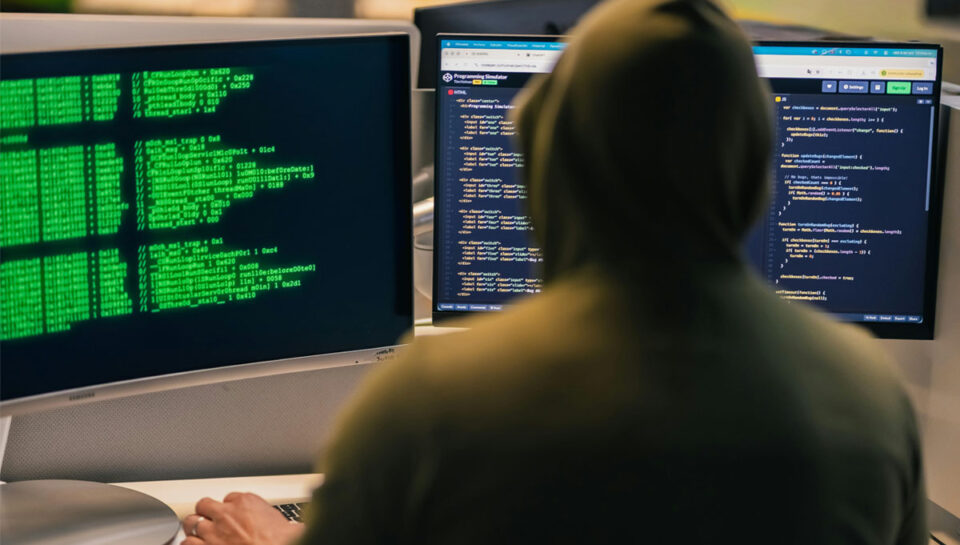
Cybersecurity and social media are two concepts that are increasingly integrated into our digital lives. While social platforms are becoming essential in digital marketing, social media, while offering many advantages, also poses a major cybersecurity threat due to the amount of information posted on them per second and the way cybercriminals operate.
A hacked social media account has serious consequences, such as loss of control over the account, which is normally a complex process to regain, damage to the victim’s personal and professional reputation, and the spread of the attack if you use the same password for other services or platforms.
The main cybersecurity risks of using social media
1. Risks related to personal data
a) Identity theft: The personal data you provide on social media (date of birth, employer, address, photo, etc.) can make it easier for knowingly fraudsters to create a credible profile, using which they can steal your identity, gain access to an account, or launch scams.
b) Sensitive data collected: A lack of privacy settings puts your information in the hands of strangers, who use it for harassment, threats, or to prepare personalized cyberattacks.
c) Inference-based cyberattacks: Cybercriminals make guesses about sensitive data about you or your company based on your online posts and activities (location, habits, relationships). This can be used to attack you.
2. Attack and psychological hacking techniques
a) Phishing: They send you a personalized message (impersonating a friend, a bank, a customer service representative, etc.) using your profile information to trick you into clicking a negative link or revealing your login information.
b) Dissemination of malicious software (malware): A single click on a link, picture, or application provided by a compromised account may result in downloading viruses, Trojan horses, or ransomware onto your computer or business network.
c) Social engineering: fraudsters connect with users to trick them into revealing confidential information or completing certain tasks (such as sending money or disabling two-step verification).
3. Social and legal threats
a) Cyberbullying: Spoofed accounts are used to spread defamatory, threatening, or hateful messages, resulting in psychological (stress, anxiety) and professional consequences.
b) Sextortion and blackmail (extortion): They use a photo or intimate personal information to demand a ransom or deny the victim something by threatening to share it.
Essential cybersecurity tips
1. Enable two-factor authentication (2FA) on all your accounts. This is a security mechanism that requires double verification of identity (such as a code sent to your cell phone or email) to access an account or computer resource.
2. Review your privacy settings regularly to limit who can see your online posts and information.
3. Do not accept invitations from friends or unknown connections who may be fake profiles.
4. Use a strong password (a combination of upper and lowercase letters, numbers, and special characters) for each social media account.
5. Be careful before clicking on a link or believing information, even if it appears to come from a trusted contact.
Ultimately, the best defense against cyber threats is individual and collective vigilance. Each user can significantly strengthen their security on social media by adopting more responsible behavior and staying informed about the latest strategies used by cybercriminals.
Esaïe Louis
Cybersecurity expert
BIZ WEB: the ideal partner for your digital succes!
BIZ NOU: your e-commerce company
Share
